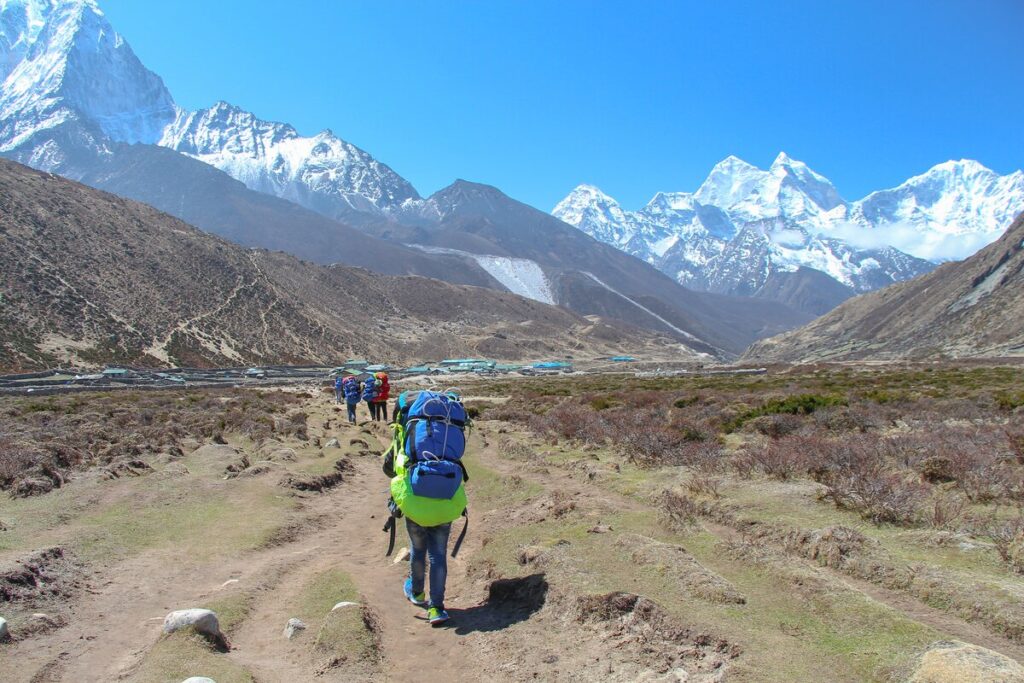
Leh sits at 3,524 metres, and most visitors arrive by plane with zero time to adjust. If a Ladakh trek is on your list, a few simple numbers decide whether your first days feel like a holiday or a pounding headache. Here is the altitude math, with a real ascent plan you can copy.
Why altitude makes you sick in the first place
Altitude sickness, in its mildest form called acute mountain sickness (AMS), comes from a rapid exposure to low amounts of oxygen. The common symptoms are headache, nausea or vomiting, tiredness, dizziness, confusion and poor sleep.
Here is the part most people get wrong. The air at altitude still contains about 21% oxygen, the same share as at sea level. What drops is the total air pressure, so every breath delivers less oxygen to your lungs. At 3,000 metres the pressure is about 0.69 atmospheres, which means each breath carries roughly 31% less oxygen than at sea level. At 4,500 metres it falls to about 0.57 atmospheres, or 43% less.
The altitude bands that matter
High altitude illness is usually classified into three bands:
- High altitude: 1,500 to 3,500 metres
- Very high altitude: 3,500 to 5,500 metres, where blood oxygen saturation drops below 90% and severe altitude illness is most common
- Extreme altitude: above 5,500 metres
Leh, at 3,524 metres, lands just inside the very high band. Altitude sickness typically starts above 2,500 metres, and the risk climbs fast: about 20% of people get AMS after going quickly to 2,500 metres, and about 40% after going quickly to 3,000 metres. Flying in is about as quick as it gets.
The 300 metre rule, and how to turn it into a plan
Above roughly 3,000 metres, the standard rule of thumb is simple: do not raise the altitude where you sleep by more than 300 metres per day. Notice the word sleep. You can hike higher during the day, as long as you come back down for the night. This is the classic “climb high, sleep low” approach: you could walk from 3,000 metres up to 4,500 metres in a day, then descend to sleep at 3,300 metres.
To turn the rule into a schedule, use this quick calculation:
Minimum days = (target sleeping altitude − current sleeping altitude) ÷ 300, rounded up
A real example: from Leh to a 4,700 metre camp
Say your trek ends with a night at a camp at 4,700 metres, and you start from Leh.
- Height to gain: 4,700 − 3,524 = 1,176 metres
- Divide by 300: 1,176 ÷ 300 = 3.92
- Round up: at least 4 nights of gradual gain after Leh
In practice that looks like sleeping at about 3,824 metres, then 4,124, then 4,424, and finally 4,700 metres. Add your arrival day in Leh on top, since flying in already breaks the 300 metre rule on day one. That first day is where you go easy: avoiding strenuous activity in the first 24 hours at altitude may reduce AMS symptoms, and skipping alcohol for the first 24 to 48 hours is advised, because alcohol slows acclimatization and adds dehydration.
Common mistakes trekkers make
- Thinking fitness protects you. Being physically fit does not lower the risk. Activity level matters more: a high degree of activity and a rapid gain in height are both listed risk factors.
- Counting the highest point instead of the sleeping point. The 300 metre rule is about where you spend the night, not the top of your day hike.
- Blaming the headache on water. A headache is also a sign of dehydration, but at altitude any headache, nausea, breathlessness or vomiting should be treated as altitude sickness first.
- Using medicine instead of a schedule. The Everest Base Camp Medical Centre cautions against routinely using acetazolamide as a substitute for a reasonable ascent plan. If you are considering it because you are flying in, talk to a doctor before the trip.
- Drinking huge amounts of water. Extra fluids help replace what you lose breathing dry air, but over-hydration brings no benefit and can be dangerous.
When the math stops mattering
Symptoms often show up within ten hours of going up and usually ease within two days. If they get worse instead, for example breathlessness even at rest, a headache that painkillers do not touch, or unsteady walking, the only reliable treatment is to descend immediately until symptoms go away. No schedule is worth ignoring that.
This guide is general information, not medical advice. If you have a heart or lung condition, check with your doctor before travelling to high altitude.